
Did you know that one of the main reasons people leave a website is its design?
In today's digital world, web design plays a crucial role for companies and organizations. Nowadays it has become their business card, which is why taking care of their image is important. But let's start at the beginning and tell you what web design is and what it's for.
What Is Web Design?
Web design consists of planning, conceptualizing, implementing and maintaining the functional, interactive interface on the web. Web design visually shows your brand image, your corporate values and the message you want to convey, thus focusing on usability, user experience and the effective communication of information (we're talking about the content, the images, the interface, etc.).
Since it is a channel of direct communication with the user, its main goal is to capture visitors' attention, guide them through the content intuitively and achieve the website's goals, whether that's selling products, providing information or generating interaction, which is why it must stay up to date with digital trends.
You might be interested in: What Is UX Design?
So…. What Are the Differences Between Design and Development?
Although the terms "web design" and "web development" are often used interchangeably, there are key differences between them. Web design focuses on the visual appearance and usability of a website. In other words, its task is to combine typefaces, colors, menus, images and buttons in a way that is creative and clear for the user, and its functions also include the site's structure, as well as its sections and categories.
On the other hand, web development handles the technical implementation, programming and functionality of the site. In short, the web designer focuses on the user experience and aesthetics, while the web developer focuses on the code, the database and making sure the site's interactivity works. Both usually share the task of maintaining and updating the site.
Are There Different Types of Web Design?
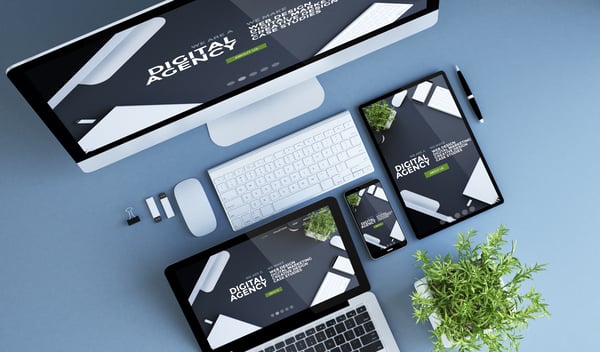
Of course there are. The goal is that when your page is opened, it keeps the same design and functionality on all devices: smartphones, tablets, laptops and others.
-
Dynamic web design: This type of design allows the website's content to be constantly updated and modified. It relies on technologies such as databases and programming languages to deliver personalized content and interactive experiences. It is common on blogs, online stores and news websites.

-
Responsive web design: With the growing use of mobile devices, responsive web design has become essential. This approach ensures that a website adapts to and displays correctly on different devices and screen sizes, providing an optimal user experience no matter how the site is accessed. Here you need to take all screen sizes into account from the start of the project to make sure it works properly.
-
Adaptive web design: It is based on different design patterns in order to adapt the site to every possible screen and orientation. It's worth noting that the pattern is chosen automatically.

All designs have 3 things in common:
- Visual design: This refers to the aesthetic appearance of a website, including the choice of colors, typography, images, icons and the visual layout of the elements. Remember that users scan information, so readability and the proper use of images and colors are important.
You might be interested in: Colors and Emotions: The Boost Your Brand Needs - Usability and navigation: Intuitive, easy-to-use navigation is essential to let users explore and find the information they need without difficulty, as well as to reduce user effort, for example by autocompleting information or recommending similar products or materials.
- Content: Web design should allow for a clear and effective presentation of the content, using visual hierarchy, page structure and elements such as headings, paragraphs, lists and multimedia. On the other hand, let's not forget that users are looking for quick, easy information, so it is not advisable to overload the page with unnecessary images or videos.
Phases of Web Design:
- Research and planning: Information is gathered about the website's goals, target audience and competition. A plan is created to define the site's structure and elements.
- Conceptual design: Sketches and wireframes are created to visualize the structure and design of the website. The layout of the elements and the interaction are defined.
- Visual design: The complete visual design is created, including the graphics, color palette, images and typography. Design principles are applied to achieve consistency and visual appeal.
- Development: In this phase, web designers work alongside web developers to turn the visual design into a functional website. The code is implemented and the necessary features are integrated.
- Testing and review: Thorough testing is carried out to make sure the website works correctly on different devices and browsers. Adjustments and revisions are made based on the comments and feedback received.
- Launch and maintenance: Once the website has passed testing and review, it is launched on the server and made public. Regular updates are made to keep the content fresh and adapt to the changing needs of the business or audience.
In conclusion, web design plays a fundamental role in creating an effective and attractive page or application. Through different types of web design, you can achieve personalized experiences tailored to the user's needs. Don't forget that a good website loads quickly, is responsive and intuitive, has clear content and stays optimized. By understanding the key elements and phases of web design, you can plan and execute a successful website that meets the required communication and functionality goals.
Web design can help you spark your customers' interest; at digitalegia, we can support you.


