


A real estate CRM (short for customer relationship management) is much more than a simple management program. It is a tool that allows real estate agencies or real estate companies not only to manage their operations effectively, but also to establish and strengthen solid relationships with their current and potential clients.
This all-in-one software becomes the perfect ally for optimizing processes, centralizing information, and maximizing productivity in the real estate sector. We'll show you how a real estate CRM can help your agency grow.
How a Real Estate CRM Works
A real estate CRM works by collecting and analyzing data. Through different sources of information, such as contact forms, social media, and emails, the real estate CRM collects relevant data about clients and properties. This data is stored in a centralized database, which makes it easy to access and search for information.
In addition to collecting data, a real estate CRM also offers features for analyzing and managing information. For example, you can generate reports and statistics on completed transactions, available properties, and the performance of marketing activities. You can also automate tasks and processes, such as sending follow-up emails or assigning tasks to team members.
Real estate professionals can benefit from this specialized software, which will help them speed up transactions and close deals efficiently.
Features vary depending on the size and needs of your company, but in general, these are some of the tools you can make the most of.
- Collect, store, and update customer data in a reliable database.
- Monitor your sales pipeline and track closed deals.
- Answer your clients' questions about properties without having to search for their emails manually.
- Create personalized, segmented real estate marketing campaigns.
- Automate your tasks, workflows, and email marketing campaigns.
- Create chatbots to qualify leads from a real estate portal.
- Support and manage your team of agents with cloud-based CRM software and mobile apps.
Why You Need a Real Estate CRM
A real estate CRM lets you receive all the information you need on a single platform, whether you're at the office or on your way to one of the properties. Here are some reasons why you need a real estate CRM:
Organizing Information
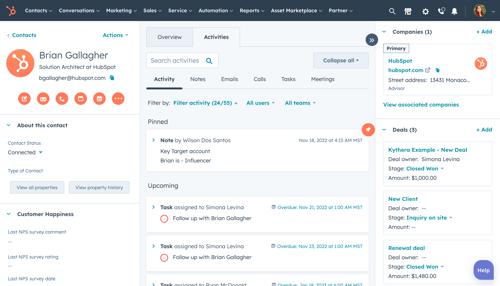
With a real estate CRM, you can centralize and organize all the information related to your clients, properties, transactions, and marketing activities. This lets you easily access the information you need anytime, from anywhere.
Improved Productivity
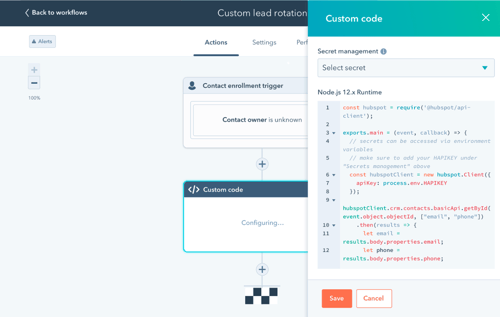
By automating tasks and processes, such as sending follow-up emails or assigning tasks to team members, a real estate CRM helps you save time and be more efficient in your daily work.
Improved Customer Service
With a real estate CRM, you can offer more personalized and efficient service to your clients. By having all the relevant information about your clients in one place, you can give them a more personal approach tailored to their needs.
Analysis and Decision-Making
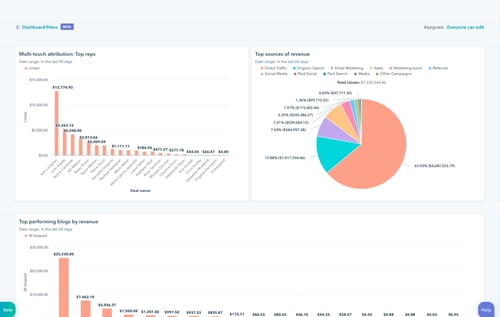
A real estate CRM provides reports and statistics on completed transactions, available properties, and the performance of marketing activities. This lets you analyze information objectively and make decisions based on real data.
In short, a real estate CRM is an essential tool for improving organization, productivity, and customer service in the real estate sector.
More than 96% of brokers say that using a real estate CRM improved their productivity.
Source: HubSpot
Advantages of a Real Estate CRM
A real estate CRM gives you tools to optimize every aspect of your business. It helps you save time and improve efficiency in both sales and customer service, opening up valuable new growth opportunities.
If you use a real estate CRM to manage your processes, you can enjoy the following advantages:
Identify sales opportunities and close deals.
Your CRM kicks in at the first point of contact with a potential customer, whether they filled out a form online or in a resource where you ask for their details.
Some CRMs can track when a prospect opens your emails or visits your website, and schedule the next contact at the optimal moment to convert them into a new lead.
Get more visits and create content.
Inbound marketing is important for success in the real estate sector. People buying or selling for the first time may lack the necessary knowledge and look to learn from trustworthy sources.
Take advantage of the marketing tools that CRMs offer to attract and engage your audience through informative, personalized content on your blog, social media, or newsletter. This will position you as an authority in the industry and build trust. Social media is also an effective channel for attracting potential customers.
Create a real estate website that drives conversions.
Real estate websites include property and service listings, and they also educate their future clients.
Some content management systems (CMS) can build websites directly on their platform with tools such as a drag-and-drop editor.

How to Choose the Best Real Estate CRM for Your Company
Choosing the best real estate CRM for your company is an important step. Here are some aspects to keep in mind when choosing a real estate CRM:
- Features: Evaluate the features the real estate CRM offers and make sure they fit your company's specific needs. Some important features to consider are client management, property management, task automation, and report generation.
- Integrations: Check whether the real estate CRM integrates with other tools you use in your company, such as email, social media, or property management systems. Integrations can streamline the flow of information and improve efficiency.
- Ease of use: Make sure the real estate CRM is easy to use and has an intuitive interface. This will make adoption easier for your team and minimize the need for additional training.
- Technical support: Look into the technical support the real estate CRM provider offers. It is important to have good technical support to resolve any problems or questions you may have while using the CRM.
- Cost: Consider the cost of the real estate CRM and make sure it fits your budget. It is also important to evaluate whether the cost is based on a monthly, annual, or per-user fee.
With these aspects in mind, you'll be able to choose the best real estate CRM for your company and make the most of its benefits.
You may be interested in: Advantages of Using HubSpot as a CRM for Real Estate Agencies
In conclusion, a real estate CRM is a necessary tool for managing your real estate company efficiently. It lets you centralize and organize the information related to your clients, properties, transactions, and marketing activities, which improves productivity and customer service.
When choosing a real estate CRM, it is important to consider aspects such as features, integrations, ease of use, technical support, and cost. Evaluate your company's specific needs and choose the CRM that best fits them.
Once the real estate CRM is implemented, make sure to train your team on how to use it and make the most of all its features. This will help you get the best results and optimize the management of your real estate business.
Don't wait any longer: start using a real estate CRM to revolutionize how you manage your company in the real estate industry.
Start looking for the CRM that best fits your real estate agency
Schedule a consultation and let us help you with the selection process.

Don't forget to share this post!
