


From preschool to graduate school, it is now a requirement for educational institutions to be part of the largest social network in LATAM, Facebook.
71% of us with Internet access in Latin America have a personal profile on this social network, whether to stay in touch with family and friends, offer your services, sell a product, bring together people who share your interests, and even to look for a school for your children.
There is no manual for using Facebook in schools that teaches you what to do and what not to do, how to use Facebook correctly to improve your school's image, or what steps to follow to use this network as a student recruitment tool. Well, not yet …
Today we share 5 basic points you should keep in mind when you start using Facebook at your educational institution.
What You Should Know Before Creating a Facebook Page for Educational Institutions
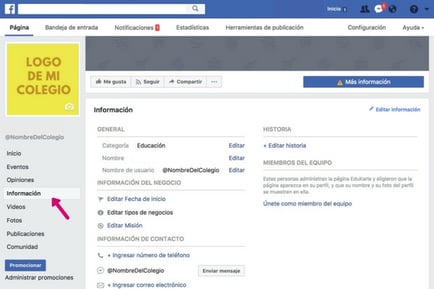
1. Create a Fan Page/Page instead of a personal profile.
This is the first step and it's important. Profiles represent individuals, and pages allow your school to have a professional presence on FB. Having an FB page gives you valuable analytics tools, among other features. In addition, people won't have to wait for you to accept them as a “friend.”
2. Enter your institution's information.
Make sure to fill in as many fields as you can in the “About” tab with verified, up-to-date information about your institution, such as your website, address, and phone numbers. This will help you build trust, and your contact details and description will be readily available.
3. Post valuable content.
What you share reflects your institution's image, so try not to create or share entertainment posts or posts with profanity; limit yourself to sharing educational content or content that is of interest to your readers/parents/students.
Ideally, you would be the one creating that valuable content through an educational blog on your website!
Watch out and mind your spelling; it can happen to anyone, but it's better if it doesn't happen to you.
4. Build community.
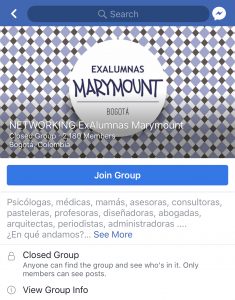
Make parents or your students want to find out what's happening at your institution: communicate events, reminders, exams, notices, and calendars; keep them informed and in immediate contact with your school. You could even create a group so your alumni can stay in touch, as this school in Bogotá did with a group for building relationships among its graduates.
5. Watch your response time.
From your own cell phone, you can answer the questions, concerns, or comments users send to your institution. Try to check your message inbox and other users' comments on your page a couple of times a day; that way, if a parent or prospective student tries to contact you, they can get a prompt response, and that will bring them closer to becoming your customers.
This is just the basics you need to know to get started; we hope you find it useful. If you'd like expert help, at Digitalegia we'll give you a free consultation where we'll explain how we can help grow your school by adapting to your needs.
Don't forget to subscribe to our YouTube channel, or follow us on our Facebook Fan Page to learn more.

Don't forget to share this post!