

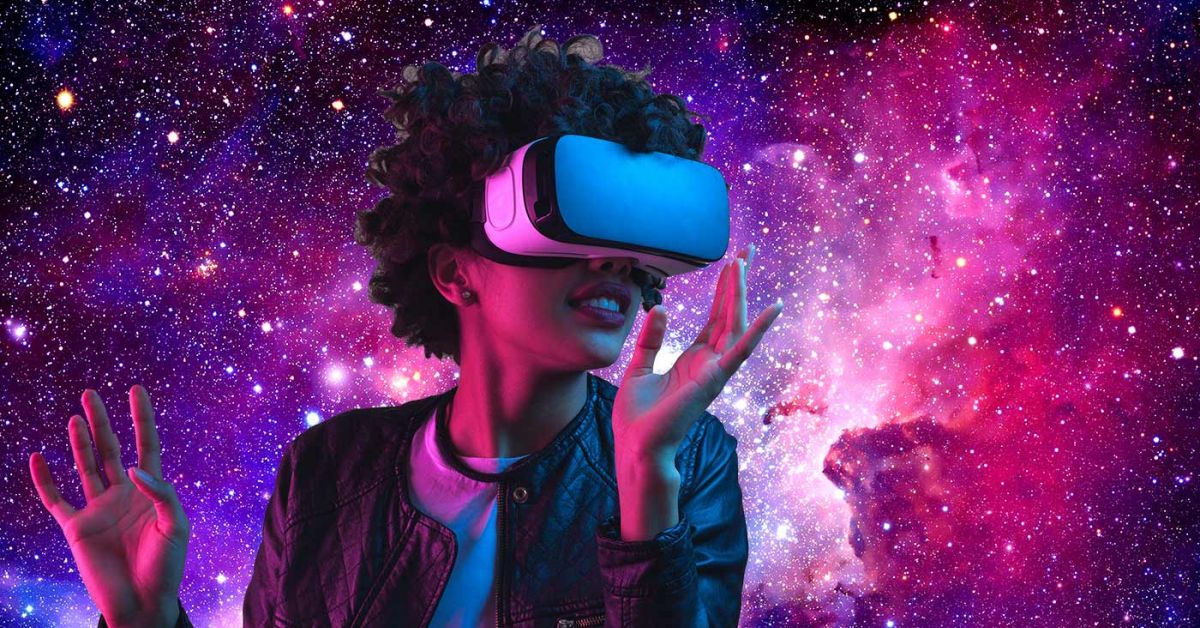
These types of immersive technologies are offering a new way to envision the future of marketing and digital content.
Statistics show that 1.9 billion people will be using AR monthly in 2022 and 3 billion devices will have AR worldwide.
And as with any technology, we will find ourselves looking for ways to integrate AR and VR into our marketing strategies. But why will it be important to integrate these components as part of our strategies?
According to the Elevux article, it will be important for expanding the consumer experience in a way that offers deeper context in experiences. For example, VR gives marketers the opportunity to create branded virtual environments and experiences that extend a brand's influence 360 degrees into more digital experiences. Incorporating AR as a technology in a marketing program has been shown to increase consumer engagement and attention 10X. So it's worth considering!
Expanding the Customer Experience.
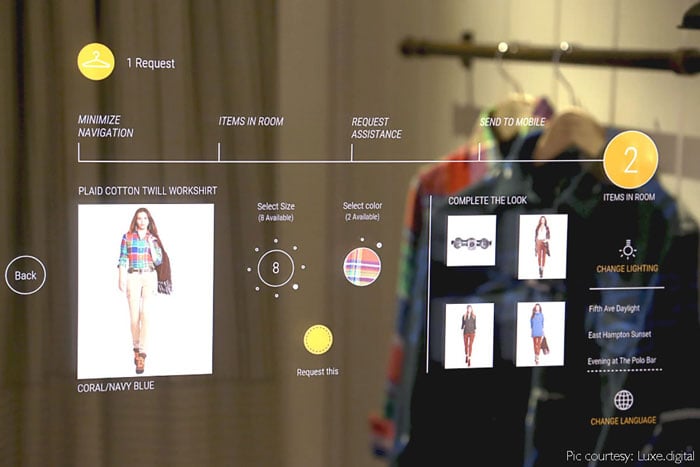
Las tiendas ahora brindan las experiencias más interactivas para promover el
conocimiento de la marca y aumentar la participación del producto. Algo que esta de moda en el área de AR en las tiendas son los probadores virtuales que les permite a
los consumidores verse con diferentes outfits y así reducir selecciones antes de
probárselos.
El 71% de los compradores preferiría ir a las tiendas con una experiencia de
realidad aumentada; "pruébalo antes de comprar". ¡El comercio minorista ya está cambiando y se está volviendo digital!
Embraced by Social Media.
Between AR filters and lenses and Facebook's investment in both AR and VR, it should come as no surprise that immersive experiences are now deeply connected to almost every social media channel.
El 70-75% de las personas de entre 16 y 44 años conocen RA.
AR promotion used effectively on social media can influence trends, increase impulse purchases and boost brand engagement.
Employee Engagement and Training.
Likewise, marketing teams can use AR and VR in the same ways. For example, providing team members with customizable interactive content will put marketing teams in the virtual mindset needed to improve overall knowledge and the implementation of immersive interactions for their customers. And many companies are already turning to AR and VR technologies to hire and train their workforce.
Basically, marketers who use Augmented Reality as an innovative and important tool to interact with consumers in 2021 already have a major advantage. So it is important to include this technology in the strategy plan for your next execution.

Reference: "How Augmented Reality & Virtual Reality Are Changing Marketing in 2021" by Elevux.
Cover photo: https://www.sjpl.org/es/virtual-reality
Don't forget to share this post!

