

Today we present 5 steps to start doing Inbound Sales. As we know, the sales process has changed in recent years.
Prospects have already researched our product or service and have plenty of information about it; in other words, they come prepared for a sales meeting.
Therefore, the traditional sales process of approaching the customer with a demo of what we offer and closing a sale immediately is neither appealing nor value-adding. Nowadays, buyers want to be educated and guided through the buyer's journey.
The idea is for the experience of anyone who interacts with your company to be comprehensive; that is, this person should feel understood and helped, and everyone at your company should have the same information.
That's why the salesperson's responsibility is so great, since they may often be the first person a prospect comes into contact with, and the experience provided from prospecting to closing a sale must be flawless.
5 Steps to Start Doing Inbound Sales
Step 1. Plan a Sales Strategy
The sales strategy is different from the sales process, since its main goal is to provide a personalized experience for your buyer based on the scenario they're in.
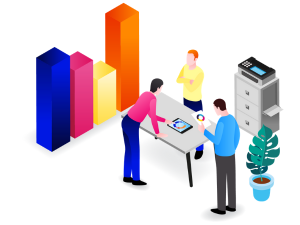
To design this strategy, it's important to keep the following steps in mind:
- First, identify your potential buyers, who should have a goal or challenge you can help them with.In this phase, you should establish the path they will take, which is why it's important to know as much information as possible.
- Then establish a connection with these potential customers to help them decide whether the challenge they identified is a priority for them, at which point they become qualified leads.
- In this phase, you should explore the goals and challenges your qualified lead has and whether your offer fits the context they're in; if so, they would become a sales opportunity.
- Finally, advise your sales opportunity on the ways your offer can help them with their challenges and meet their needs; if they decide it's the best offer for their scenario, they would become your customer.
Step 2. Prioritize Active Buyers
Today, buyers start by researching possible solutions, which is why, as salespeople, we must develop a way to find these prospects and start interacting with them early.

They're aware that they have a problem, and they're very likely familiar with your solution.
That's why it's important to discover their context, what they know about your company, and what they want to do. This step is very important because, without this information, key opportunities could be lost.
This allows you, as an Inbound salesperson, to approach the identification stage in a smarter way, where you can start defining with your potential customer the ideal customer profile and know what types of companies and people to focus on.
If more decision-makers appear during the buying process, the information obtained will add more value to the project.
This way, you'll spend less time talking to people who probably won't buy and more time helping people who want and need your help and have greater buying potential.
Step 3. Use Social Media to Identify Active Buyers
Social media is a great opportunity for you, as an inbound salesperson, to be perceived as an expert by buyers.
That's why it's important to invest at least a couple of hours a week posting or sharing content that buyers might find interesting and where they can interact; this practice is known as Social Selling.

Some of the actions you can take on social media are:
- Find opinion leaders on social media whom your ideal customers are following; they can be companies, executives, or journalists. Promote their content and share it with your followers; they'll very likely start following you back, and after a few interactions, you'll be able to send a direct message offering your help.
- Find LinkedIn groups where your prospects are active, comment on their posts, answer their questions, and include relevant content from your company that can help them.
- Participate in blogs your prospects may be reading, making sure your comments include links to your LinkedIn profile or your company's. Interact constantly with bloggers, participating as a guest or maintaining an ongoing exchange of ideas with them.
- Share relevant content on your social media in the morning, at lunchtime, and at the end of the day; it can be your own content or third-party content that answers the questions your ideal customer may be asking.
Step 4. Enrich Your Buyer's Data
Regardless of where your lead came from, you need to have as much information about them as possible before contacting them; this information can be recorded directly in your CRM.
This process should feed two categories:
Information about the buyer's interests: here you should include information that will help you understand the buyer's perspective and how your proposal relates to the solution they're looking for. Information you could take into account includes, for example, the content they've consumed, the blogs they've subscribed to, and which pages of your website they've visited.
The buyer's demographic information: you can get this information directly from the form on your website. Some CRMs automatically pull in additional information just by entering your potential customer's website, such as company size, number of employees, industry, location, and time zone.
If your CRM doesn't work this way, remember to research this information; it will give you a clearer picture of your customer's context.
Step 5. Personalize Your Outreach
Now that you've interacted with your prospects and know them, it's time to engage with them by writing to them or perhaps calling them. However, we can't do it like a salesperson making a cold approach, since buyers may delete your messages without even listening to or reading them.
That's why we must reach out differently, with messages personalized to the buyer's context; you can make your offer based on what you know about the buyer's journey.
When you manage to make contact with them, you should try to understand their interests and needs and offer your help wherever it's needed.
In this contact, it's important to have a human attitude, providing useful and relevant information for the buyer; if we focus only on offering a product, we could waste the effort we've made.
If your sales process isn't currently inbound, these steps may seem complex, but by following them, you'll enjoy the benefit of focusing your efforts on potential and qualified customers.


