

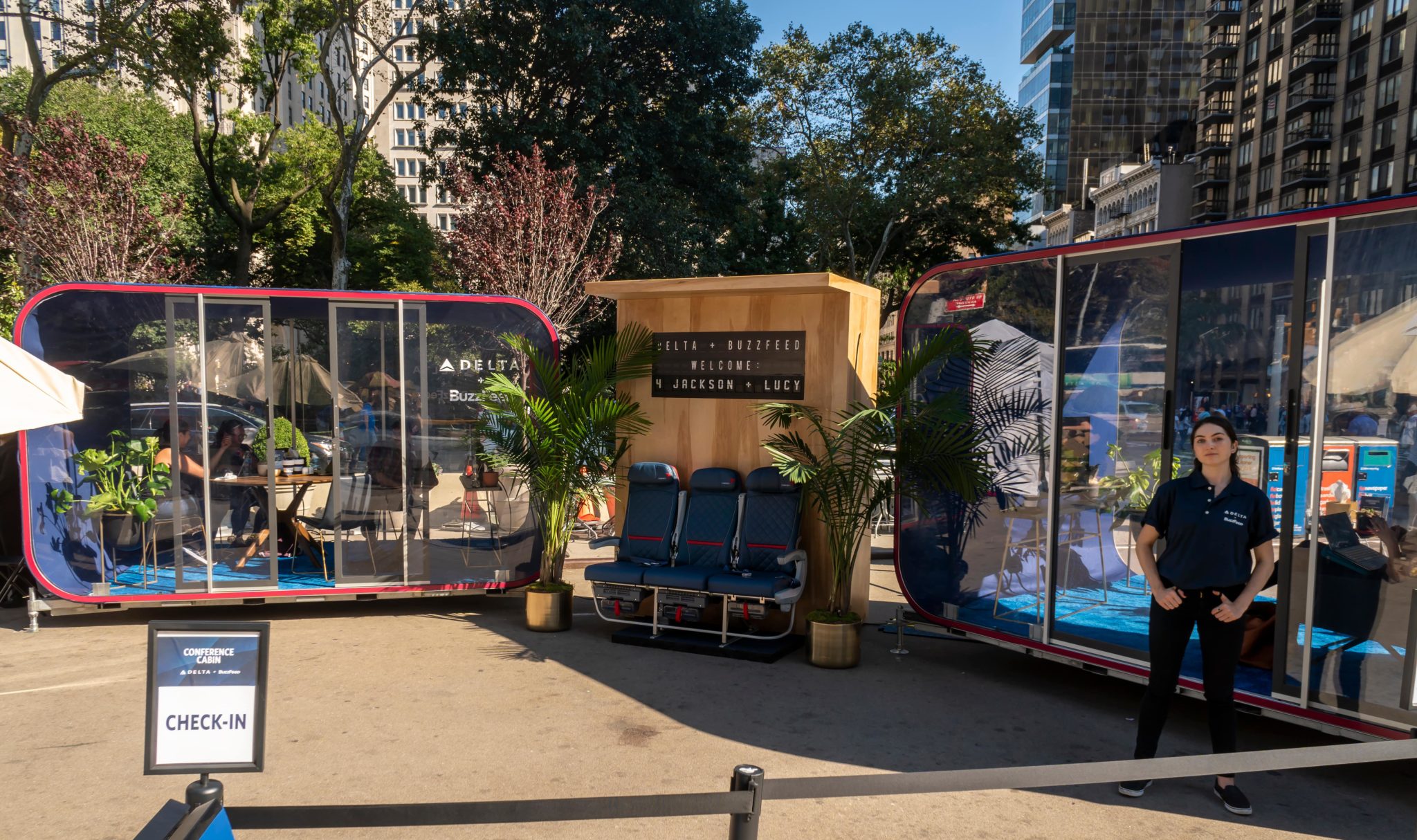
Experiential Marketing is still much more widely recognized in the United States than in other parts of the world, and I frequently find myself explaining the definition of what it really is and why it's important to incorporate it as a marketing strategy.

In fact, according to Freeman Research's published Global Brand Experience Study, more than a third of CMOs plan to allocate between 21% and 50% of their budget to Experiential Marketing programs in the coming years.
Experiential Marketing is simply a strategy designed to engage consumers in order to promote direct participation with the brand or product through Event Marketing.
Basically, Experiential Marketing takes the place of promoting a product through traditional advertising because Event Marketing allows consumers to have a tangible experience that they then associate directly with the brand. The important thing to consider is that Experiential Marketing has the ability to offer a complete experience involving all 5 senses, where consumers can see, hear, feel, smell, and in many cases even taste the product of the brand being promoted. All of this makes it possible to bring a brand's experience directly to consumers who are already attending an event and to increase brand engagement more efficiently.
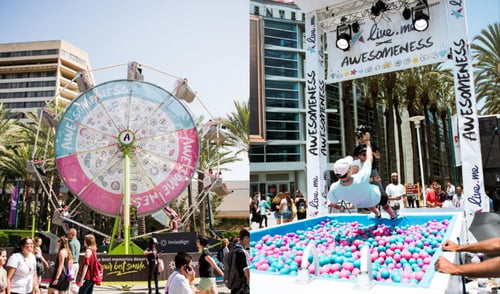
In short, Experiential Marketing is any marketing that takes place in a physical setting, such as sponsorships, product sampling, car shows or conventions, event marketing, in-store experiences, in-person surveys, etc... all of this is considered Experiential Marketing. So, now that you know more about a better way to promote a brand, what are you waiting for to incorporate this strategy into your next marketing plan?

Don't forget to share this post!


